The Fight StoryClick here to expandThe story behind the stats.
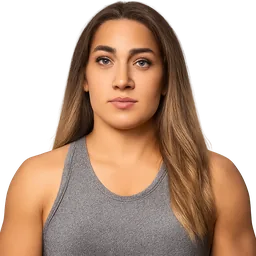
On November 7, 2026, the women’s strawweight division will witness a clash of styles as Tatiana Suarez takes on Virna Jandiroba at UFC Fight Night: Bonfim vs. Brady. With a record of 9-1, Suarez steps into the octagon showcasing an impressive striking accuracy of 60.1% and a takedown accuracy of 45.9%. Her ability to control the fight has been reflected in her average of 161.4 seconds of control time per round, a stark contrast to Jandiroba's 124.8 seconds. Suarez’s southpaw stance adds an extra layer of complexity for opponents, and her finishing ability is evident with a remarkable 66.7% finish rate, primarily through submissions (55.6%).
Jandiroba, with a solid record of 9-4, is no slouch, but she faces an uphill battle as Suarez brings a well-rounded game that echoes past encounters like Tamires Vidal vs. Montse Rendon, where a striking and grappling disparity dictated the flow of the fight. Jandiroba has a notable submission attempt rate of 0.4 per round, but with Suarez's strong grappling defense—having absorbed just 0.12 takedowns per round—she may struggle to impose her will. The odds reflect this gap, suggesting that Suarez is the clear favorite as she looks to extend her winning streak against the experienced Jandiroba.
Prediction IntelClick here to expandOur call — and the case for it.
Stats Model Prediction
🔒 Prediction locked in before the fight · Predicted Oct 17, 2026, 00:05 UTC
Model Breakdown
Tatiana SuarezVirna Jandiroba
Deep Learning Model α 26% weight51.0%49.0%
Deep Learning Model ξ 25% weight54.7%45.3%
Statistical Model δ 13% weight75.6%24.4%
Statistical Model β 21% weight82.5%17.5%
Statistical Model ε 15% weight67.3%32.7%
Ensemble73.8%26.2%
AI Reasoning (why the models picked this)
Tatiana Suarez's higher Elo rating and win rate, combined with Virna Jandiroba's age and past prime indicators, are the strongest drivers for the ensemble's prediction. The ensemble favors Tatiana Suarez (74%), with most individual models agreeing, though Model ε noted advantages for Virna Jandiroba in distance striking.
Statistical Model β: Model β favors Tatiana Suarez, citing her higher win rate and the age and past prime factors for Virna Jandiroba.
Statistical Model ε: Model ε favors Tatiana Suarez, based on her higher Elo rating and ground strike share, despite Virna Jandiroba having an advantage in distance strike share.
AI-generated from the model outputs above — wording may occasionally be imprecise.
Predicted Winner
Tatiana Suarez
73.8%
Confidence
* Model output, not betting advice. Bet responsibly.
Predicted Duration
Decision (15m00s total)
Chance the Fight Is Still Going
83%70%62%
Rnd 1Rnd 2Rnd 3
62%
Chance of Decision
The curve stays above 50% all the way to the final bell, which is why the call above is a decision.
Matchup IntelClick here to expandPast fights with a similar statistical shape, plus how fights like this one typically end.
How Similar Fights Ended
286 historical bouts
Every past fight is placed by the SHAPE of its mismatch — how far apart the two fighters were on each of 37 career measures, setting aside which one was ahead. Fights that sit close together form a profile. Below is how the 286 bouts in this bout's profile actually ended.
55%Reached the judges
45%Ended early
32%KO/TKO14%Submission7:34Median finish, round 2
When those finishes came
Rnd 150
Rnd 240
Rnd 333
Rnd 44
Rnd 53
This is a base rate over similar past matchups, not a prediction about these two fighters. It is drawn from what happened historically, and the profile is blind to which corner is which — so it can say how fights like this one tend to go, and nothing at all about who wins.
Fights with a similar mismatch
Every fighter is reduced to a profile of 37 career measures as they stood going into the fight, standardised so that no single measure dominates merely for having bigger units — a far wider read than the six charted below. The bout is then described by the gap between the two: how far apart they were on each of those measures, setting aside which one was ahead. The fights listed here are those whose gaps line up most closely with this one. Because the match is on the shape of a mismatch rather than on a weight class or an era, a neighbour can come from an entirely different division.
82%How closely the gap between these two fighters resembles the gap in that historical bout — the size and shape of the mismatch, not the fighters themselves. Two completely different pairs can produce the same mismatch. 100% would be an identical gap; two fights picked at random score about 36%, so a number near that means there is no real comparable on record.Match
78%How closely the gap between these two fighters resembles the gap in that historical bout — the size and shape of the mismatch, not the fighters themselves. Two completely different pairs can produce the same mismatch. 100% would be an identical gap; two fights picked at random score about 36%, so a number near that means there is no real comparable on record.Match
75%How closely the gap between these two fighters resembles the gap in that historical bout — the size and shape of the mismatch, not the fighters themselves. Two completely different pairs can produce the same mismatch. 100% would be an identical gap; two fights picked at random score about 36%, so a number near that means there is no real comparable on record.Match
73%How closely the gap between these two fighters resembles the gap in that historical bout — the size and shape of the mismatch, not the fighters themselves. Two completely different pairs can produce the same mismatch. 100% would be an identical gap; two fights picked at random score about 36%, so a number near that means there is no real comparable on record.Match
72%How closely the gap between these two fighters resembles the gap in that historical bout — the size and shape of the mismatch, not the fighters themselves. Two completely different pairs can produce the same mismatch. 100% would be an identical gap; two fights picked at random score about 36%, so a number near that means there is no real comparable on record.Match
71%How closely the gap between these two fighters resembles the gap in that historical bout — the size and shape of the mismatch, not the fighters themselves. Two completely different pairs can produce the same mismatch. 100% would be an identical gap; two fights picked at random score about 36%, so a number near that means there is no real comparable on record.Match
71%How closely the gap between these two fighters resembles the gap in that historical bout — the size and shape of the mismatch, not the fighters themselves. Two completely different pairs can produce the same mismatch. 100% would be an identical gap; two fights picked at random score about 36%, so a number near that means there is no real comparable on record.Match
71%How closely the gap between these two fighters resembles the gap in that historical bout — the size and shape of the mismatch, not the fighters themselves. Two completely different pairs can produce the same mismatch. 100% would be an identical gap; two fights picked at random score about 36%, so a number near that means there is no real comparable on record.Match
71%How closely the gap between these two fighters resembles the gap in that historical bout — the size and shape of the mismatch, not the fighters themselves. Two completely different pairs can produce the same mismatch. 100% would be an identical gap; two fights picked at random score about 36%, so a number near that means there is no real comparable on record.Match
70%How closely the gap between these two fighters resembles the gap in that historical bout — the size and shape of the mismatch, not the fighters themselves. Two completely different pairs can produce the same mismatch. 100% would be an identical gap; two fights picked at random score about 36%, so a number near that means there is no real comparable on record.Match
70%How closely the gap between these two fighters resembles the gap in that historical bout — the size and shape of the mismatch, not the fighters themselves. Two completely different pairs can produce the same mismatch. 100% would be an identical gap; two fights picked at random score about 36%, so a number near that means there is no real comparable on record.Match
70%How closely the gap between these two fighters resembles the gap in that historical bout — the size and shape of the mismatch, not the fighters themselves. Two completely different pairs can produce the same mismatch. 100% would be an identical gap; two fights picked at random score about 36%, so a number near that means there is no real comparable on record.Match
70%How closely the gap between these two fighters resembles the gap in that historical bout — the size and shape of the mismatch, not the fighters themselves. Two completely different pairs can produce the same mismatch. 100% would be an identical gap; two fights picked at random score about 36%, so a number near that means there is no real comparable on record.Match
70%How closely the gap between these two fighters resembles the gap in that historical bout — the size and shape of the mismatch, not the fighters themselves. Two completely different pairs can produce the same mismatch. 100% would be an identical gap; two fights picked at random score about 36%, so a number near that means there is no real comparable on record.Match
70%How closely the gap between these two fighters resembles the gap in that historical bout — the size and shape of the mismatch, not the fighters themselves. Two completely different pairs can produce the same mismatch. 100% would be an identical gap; two fights picked at random score about 36%, so a number near that means there is no real comparable on record.Match
Statistics IntelClick here to expandA full head-to-head stat comparison — per-round output and career tendencies — against the UFC average.
Head-to-Head Statistics
The same per-round and advanced numbers each fighter's profile shows, side by side. The stronger value in each row is highlighted.
Stat
Tatiana Suarez
Virna Jandiroba
UFC AVG
Per Round Average
Strikes
12.9
10.9
13.2
Strike accuracy
60.1%
41.3%
43.9%
Takedowns
1.4
1
0.4
Takedown accuracy
45.9%
39.1%
33.0%
Sub attempts
0.2
0.4
0.2
Control time
161.4s
124.8s
48.9s
Knockdowns
0
0.03
0.08
Knockdowns absorbed
0
0
0.13
Advanced Fighter Statistics
win rateWins divided by this fighter's total recorded fights.
90.0%
69.2%
45.8%
recent win rateWin rate over the last 5 recorded fights only — a form signal, not a career figure.
80.0%
80.0%
37.6%
win streakCurrent run: a positive number is consecutive wins, a negative number consecutive losses.
2
1
-2
total fightsTotal recorded fights, including bouts outside the UFC.
10
13
—
head strike shareShare of this fighter's landed significant strikes that went to the head. Head, body and leg sum to 100%.
50.5%
79.9%
—
body strike shareShare of this fighter's landed significant strikes that went to the body. Head, body and leg sum to 100%.
30.0%
15.8%
—
leg strike shareShare of this fighter's landed significant strikes that went to the legs. Head, body and leg sum to 100%.
19.5%
4.3%
—
sig strikes absorbedSignificant strikes opponents land on this fighter PER ROUND, counted from the round-by-round UFC stats across their scored rounds. Lower is better.
7.36
13.72
15.2
takedowns absorbedTakedowns opponents complete on this fighter PER ROUND, counted from the round-by-round UFC stats across their scored rounds. Lower is better.
0.12
0.25
0.4
cardio sig ratioThis fighter's significant strikes landed in the LATER rounds divided by the EARLIER rounds. 1.0 is neutral: above it their output grows late, below it they fade. Shown only for fighters with at least 3 UFC bouts on record.
0.74
0.95
0.52
cardio defence ratioWhat OPPONENTS land on this fighter in the LATER rounds divided by what they land in the EARLIER rounds. 1.0 is neutral. LOWER is better — a high value means opponents find them more as the fight wears on. Shown only for fighters with at least 3 UFC bouts on record.
0.95
1.37
0.56
cardio takedown ratioThis fighter's takedowns in the LATER rounds divided by the EARLIER rounds. 1.0 is neutral. Shown only for fighters with at least 3 UFC bouts on record.
0.25
0.56
0.42
is orthodoxWhether the fighter's recorded stance is orthodox.
No
Yes
—
is southpawWhether the fighter's recorded stance is southpaw.
Yes
No
—
switch stanceWhether the fighter is recorded as switching stance.
No
No
—
finish rateShare of this fighter's WINS that came by finish, KO/TKO or submission. The denominator is wins, not fights.
66.7%
44.4%
46.5%
KO win rateShare of this fighter's WINS that came by KO or TKO. The denominator is wins, not fights.
11.1%
11.1%
27.9%
sub win rateShare of this fighter's WINS that came by submission. The denominator is wins, not fights.
55.6%
33.3%
18.7%
been stopped rateShare of this fighter's LOSSES that ended by finish — the denominator is LOSSES, not fights. A fighter who is 20-1 whose single loss was a KO therefore reads 100%.
0.0%
0.0%
52.3%
distance strike shareShare of this fighter's landed significant strikes thrown at distance. Distance, clinch and ground sum to 100%.
30.0%
78.6%
—
clinch strike shareShare of this fighter's landed significant strikes thrown in the clinch. Distance, clinch and ground sum to 100%.
15.8%
13.2%
—
ground strike shareShare of this fighter's landed significant strikes thrown on the ground. Distance, clinch and ground sum to 100%.
54.2%
8.1%
—
avg fight duration (m:ss)Mean length of this fighter's UFC fights, in minutes and seconds. "—" means we hold no round-time data for them.
11:17
13:18
—
Elo ratingA UFC-only Elo rating: it rises and falls with results, weighted by the opponent's rating. 1500 is the starting and dataset-average value.
1,620.1
1,587.1
1500
PageRankHow central this fighter is in the network of who-fought-whom. It reflects the quality of opposition they have shared a cage with, not their skill.
0.200
0.174
0.069
career stageForm over the last 4 fights before this one: 3 or more wins reads Peak, 2 or fewer reads Decline, and fewer than 4 prior fights reads Early.